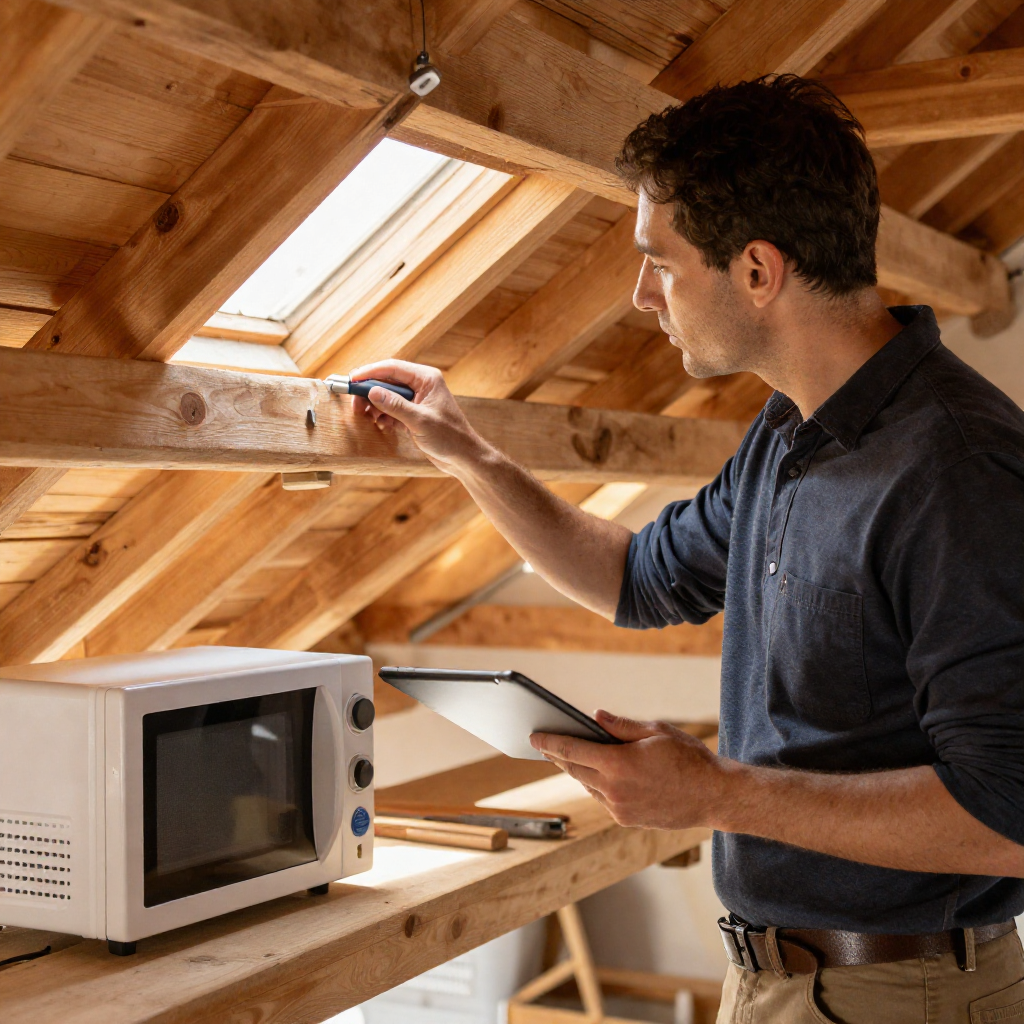
Wooden artifacts provide a remarkable connection to history, preserving the craftsmanship, culture, and daily life of past civilizations. From centuries-old furniture and sculptures to musical instruments, religious carvings, archaeological discoveries, and historical architectural elements, these objects require careful preservation to ensure they survive for future generations. One of the greatest threats to wooden collections is damage caused by wood-boring insects and other pests.
Museums around the world use a combination of preventive conservation, environmental monitoring, routine inspections, and carefully selected treatment methods to protect valuable wooden artifacts. Rather than relying solely on pesticides, modern museums focus on creating conditions that discourage pest activity while preserving the integrity of delicate historical objects.
In this guide, we’ll explore how museums protect wooden artifacts from pests and highlight practical lessons that homeowners, collectors, and conservators can apply to their own treasured wooden items.
Why Wooden Artifacts Are Vulnerable
Wood is a natural material that continues to respond to its environment long after it has been crafted into furniture or artwork.
Over time, wooden artifacts may be affected by:
- Fluctuating humidity
- Temperature changes
- Moisture
- Fungal decay
- Dust accumulation
- Wood-boring insects
- Improper storage
Because many museum objects are irreplaceable, prevention is always the preferred approach.
Common Pests Found in Museums
Museums monitor for a wide variety of insects that may damage organic materials.
Common wood-related pests include:
- Common Furniture Beetle
- Deathwatch Beetle
- Powderpost Beetles
- House Longhorn Beetle
Other museum pests may attack textiles, paper, leather, or natural history collections, making comprehensive pest management essential.
Environmental Control
One of the most effective ways museums protect wooden artifacts is by maintaining stable environmental conditions.
Conservation teams carefully monitor:
- Temperature
- Relative humidity
- Air circulation
- Light exposure
Stable conditions reduce stress on wooden objects and help prevent moisture-related deterioration that could make timber more vulnerable to pests.
Moisture Control
Moisture is one of the biggest threats to historic wood.
Museums work to prevent:
- Water leaks
- Condensation
- High humidity
- Flood damage
Keeping wooden artifacts dry reduces the likelihood of fungal decay and creates conditions that are generally less favorable for many wood-boring insects.
Routine Pest Monitoring
Rather than waiting until visible damage appears, museums regularly monitor for pest activity.
This may include:
- Scheduled visual inspections
- Sticky monitoring traps
- Collection surveys
- Environmental assessments
Early detection allows conservators to respond before infestations become widespread.
Quarantine Procedures
When new artifacts arrive, museums often isolate them before adding them to permanent collections.
During quarantine, conservators may:
- Inspect for insect activity
- Assess moisture levels
- Examine previous repairs
- Look for exit holes or frass
This process helps prevent pests from spreading to other valuable objects.
Careful Housekeeping
Clean storage and exhibition spaces help reduce pest risks.
Routine housekeeping includes:
- Removing dust
- Cleaning storage areas
- Inspecting display cases
- Controlling food sources
- Monitoring hidden spaces
Good housekeeping is an essential part of preventive conservation.
Safe Storage Methods
Museums carefully store wooden artifacts in environments designed to minimize deterioration.
Best practices include:
- Stable climate conditions
- Proper shelving
- Protective supports
- Adequate airflow
- Protection from direct sunlight
Storage methods vary depending on the age, condition, and significance of each object.
Regular Condition Assessments
Conservators routinely inspect artifacts for signs of deterioration.
Common warning signs include:
- Small round exit holes
- Fine powdery wood dust (frass)
- Surface cracks
- Loose joints
- Soft or weakened wood
- Discoloration
Documenting these observations helps track changes over time and supports informed conservation decisions.
Integrated Pest Management (IPM)
Most museums rely on Integrated Pest Management (IPM) rather than routine pesticide use.
IPM combines:
- Regular inspections
- Environmental monitoring
- Accurate pest identification
- Housekeeping
- Moisture control
- Targeted treatment only when necessary
This preventive approach minimizes unnecessary chemical exposure while protecting sensitive collections.
Modern Woodworm Treatment Options
If an active woodworm infestation is confirmed, conservators select treatment methods based on:
- The insect species
- The artifact’s condition
- Historical significance
- Material sensitivity
- Accessibility
Treatment is carefully chosen to balance pest control with the long-term preservation of the object.
Microwave Woodworm Treatment
One increasingly recognized chemical-free option for suitable applications is microwave woodworm treatment.
Professional microwave equipment uses dielectric heating to generate controlled heat inside timber.
The treatment is designed to eliminate:
- Woodworm larvae
- Beetle eggs
- Pupae
- Adult wood-boring beetles
Potential Benefits
- Chemical-free
- No pesticide residues
- Localized treatment
- Environmentally responsible
- Helps preserve original timber
- May be appropriate for certain wooden objects or structures following professional assessment
The suitability of microwave treatment depends on the artifact’s condition, construction, finishes, and conservation requirements. Museum conservators carefully evaluate whether it is appropriate before use.
Lessons Homeowners and Collectors Can Learn
Many museum conservation principles also apply to private collections.
To help protect valuable wooden items:
- Maintain stable indoor humidity.
- Avoid direct sunlight.
- Repair leaks promptly.
- Inspect furniture regularly.
- Keep storage areas clean.
- Avoid damp environments.
- Seek professional advice if insect activity is suspected.
Preventive care is often more effective than extensive restoration.
Common Mistakes to Avoid
Avoid these common errors:
- Ignoring small exit holes.
- Storing antiques in damp basements.
- Using harsh chemicals without professional guidance.
- Delaying inspections after water damage.
- Assuming old furniture cannot develop pest problems.
Regular monitoring greatly reduces the risk of significant damage.
Common Myths About Museum Conservation
Myth 1: Museums Spray Pesticides Regularly
Fact: Modern museums generally emphasize preventive conservation and Integrated Pest Management. Chemical treatments are typically used only when necessary and under carefully controlled conditions.
Myth 2: Every Exit Hole Means an Active Infestation
Fact: Exit holes may be historic. Conservators use careful inspections and monitoring to determine whether pests are currently active.
Myth 3: Old Wooden Artifacts Are Too Fragile to Preserve
Fact: With proper environmental control, conservation techniques, and ongoing maintenance, many wooden artifacts remain stable and can be preserved for centuries.
When Should You Contact a Professional?
Professional advice is recommended if you notice:
- Fresh frass.
- New exit holes.
- Soft or weakened wood.
- Persistent moisture.
- Signs of fungal decay.
- Visible insect activity.
- Damage to valuable antiques or collectibles.
A qualified furniture conservator or timber preservation specialist can inspect the object, determine whether an infestation is active, and recommend the most appropriate conservation or treatment plan.Visit online https://www.shashel.eu for more details.
Conclusion
Museums protect wooden artifacts through a combination of preventive conservation, stable environmental conditions, routine inspections, careful housekeeping, and Integrated Pest Management. These methods help safeguard irreplaceable historical objects while minimizing unnecessary intervention. By focusing on moisture control, early detection, and appropriate treatment only when required, museums preserve wooden collections for future generations.
Homeowners and collectors can adopt many of these same principles to care for antique furniture, heirlooms, and wooden decorations. If woodworm is discovered, professional treatment—whether through approved chemical products or modern chemical-free technologies such as microwave woodworm treatment, where appropriate—can help eliminate active infestations while preserving valuable timber. With regular care and expert guidance, wooden artifacts can continue to tell their stories for many years to come.